

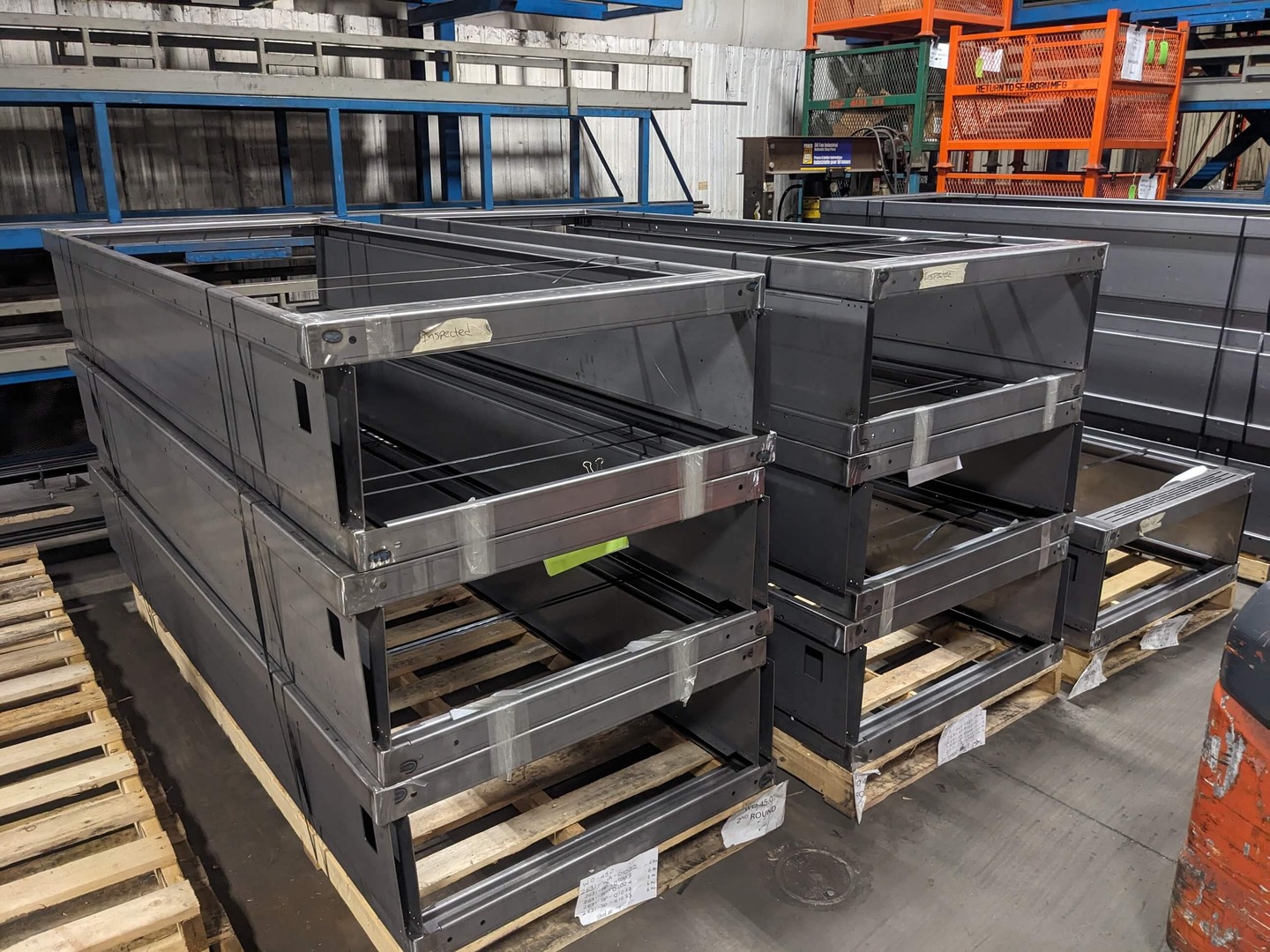
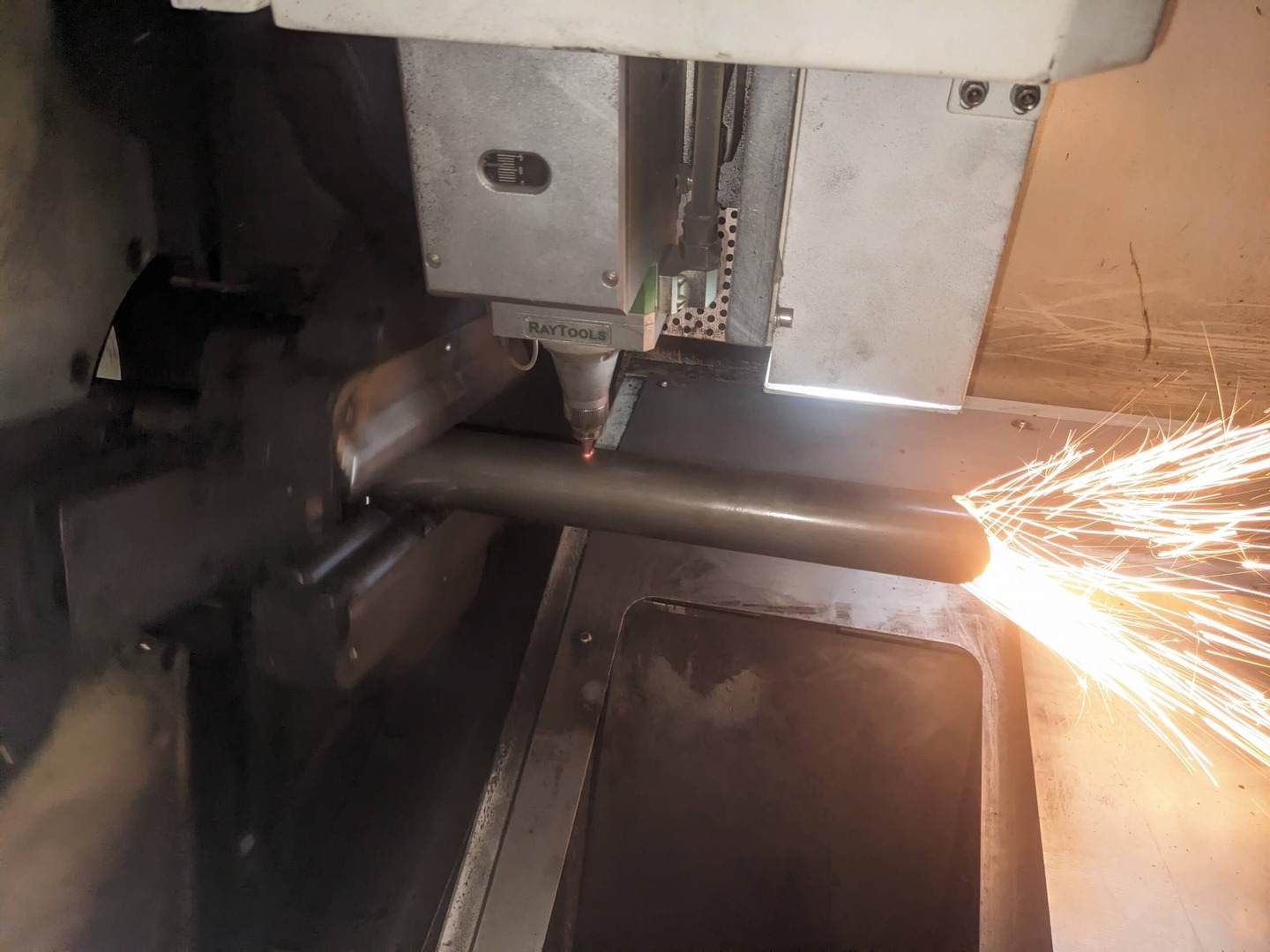
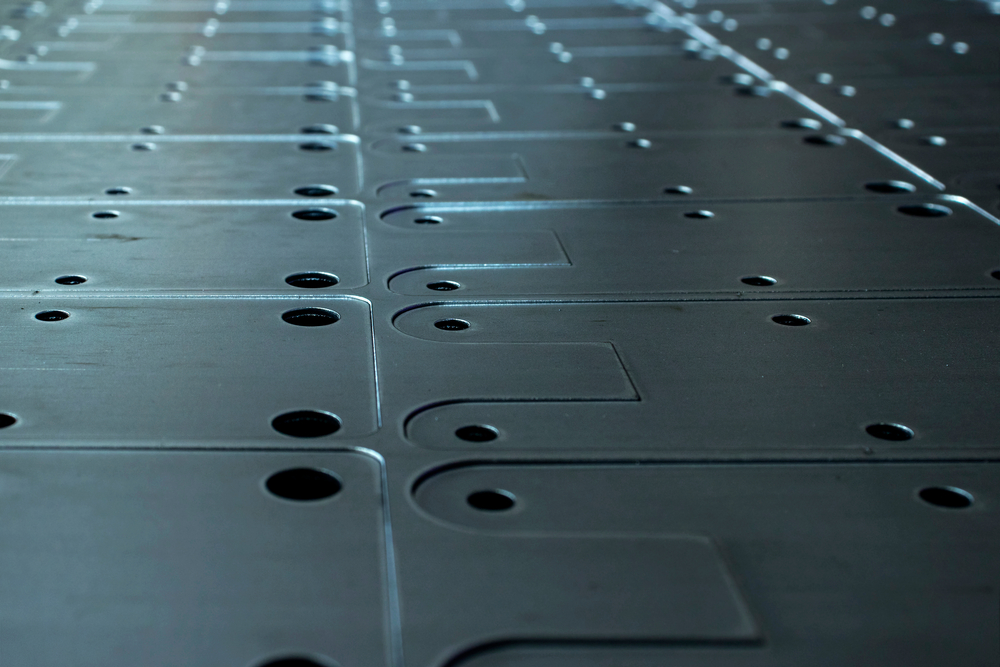
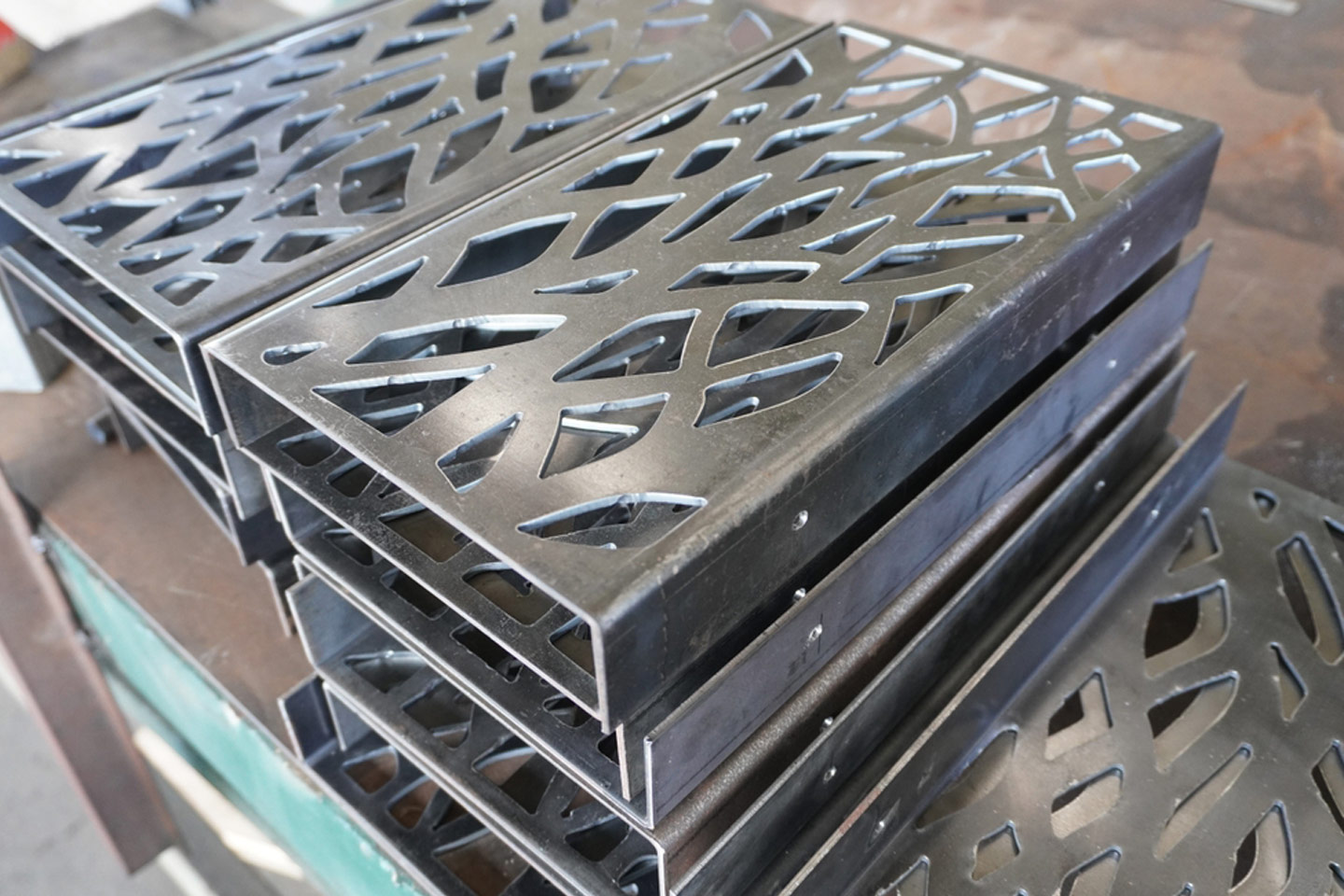
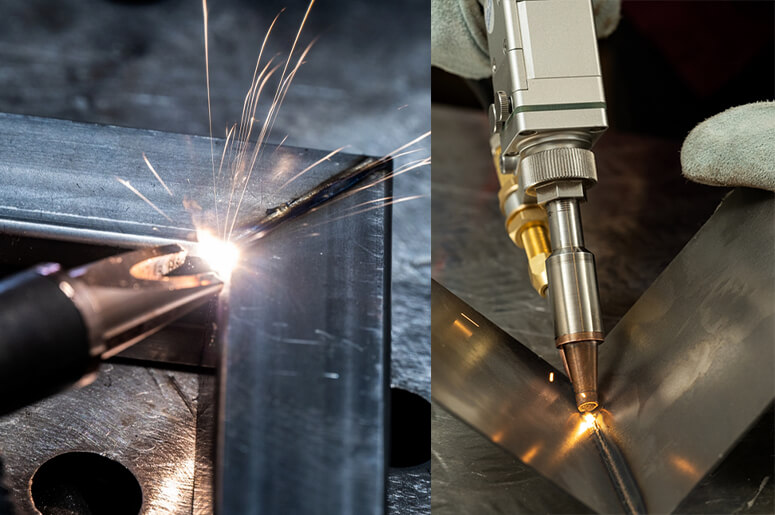
Laser welding can be an effective production process for gauge metal components when the material, joint design, fit-up and finished-part requirements are suitable. Its concentrated heat can reduce distortion and produce a clean weld with less finishing than conventional welding in the right application.
It is not a replacement for MIG or TIG welding. Seaborn Manufacturing selects laser welding when its practical advantages fit the component and uses conventional welding processes where they are more appropriate.
Seaborn’s Laser Welding Range
Seaborn limits laser welding to material that is 10 gauge or thinner. Some equipment suppliers advertise greater thicknesses, but Seaborn’s testing and production experience do not support using its laser welding process for heavier material.
Carbon steel is generally the best fit. Stainless steel and aluminum may also be suitable depending on the specific material, joint design, thickness and finished-part requirements.
Current capability information is available on Seaborn’s laser welding service page.
Concentrated Heat Can Reduce Distortion
All fusion welding processes introduce heat into the component. Laser welding concentrates that heat into a relatively narrow area around the joint.
On a suitable gauge metal component, this can reduce the amount of heat transferred through the surrounding material and limit:
Warping
Bowing
Changes to adjacent surfaces
Discoloration
Required straightening
Grinding and other finishing operations
Lower distortion does not mean no distortion. Material thickness, joint length, joint design, restraint, welding sequence and existing stresses from cutting or forming can still affect the finished component.
Joint Design and Fit-Up Matter
Laser welding performs best when the joint location and fit-up are consistent. Variations in the gap, alignment or edge condition can change the weld from one part to the next.
The review should consider:
Joint type
Material thickness
Gap between components
Alignment of the joint
Edge condition
Weld length
Access for the welding head
Required penetration and strength
Finished appearance
Laser cut and formed parts can provide consistent joint locations when the complete manufacturing process is controlled. Seaborn’s laser cutting and sheet metal bending capabilities can be reviewed together with the proposed welding process.
Laser Welding With and Without Filler Wire
Seaborn can laser weld with or without filler wire, although filler wire is used more often.
Filler wire can help fill the joint, establish the required bead and accommodate limited variation in the fit-up. Welding without filler wire may be suitable where the joint, material and edge preparation allow the parts to be fused directly.
The decision depends on:
Material grade
Material thickness
Joint type
Gap consistency
Required weld profile
Strength requirements
Appearance requirements
Single or dual filler wires do not correct poor or widely varying fit-up. The parts must still locate consistently and present a suitable joint to the welding process.
Where Laser Welding Can Be a Good Fit
Laser welding can be effective for repeat production parts made from gauge material, particularly where controlling distortion or limiting finishing work is important.
Potential applications include:
Long seams in gauge material
Panels, covers and enclosures
Boxes and formed sheet metal components
Visible joints where appearance matters
Components that are difficult to straighten after welding
Assemblies where excessive heat could affect nearby features
Repeat production parts with consistent joint fit-up
The complete part must still be reviewed. A joint that appears suitable by itself may be difficult to weld because of access, previous forming operations, fixture requirements or the position of other components.
A Clean Weld Is Not Automatically a Correct Weld
Laser welding can produce a narrow, clean-looking bead. Appearance alone does not confirm penetration, strength or compliance with the drawing.
The welding requirements should identify what the joint must accomplish. Depending on the component, this may include:
Required weld length
Required penetration
Weld location
Permitted undercut or surface variation
Appearance requirements
Inspection or testing requirements
A laser weld should not be specified only because it looks cleaner or because it is produced using newer equipment. It must satisfy the functional requirements of the finished component.
Where Conventional Welding Is More Appropriate
MIG or TIG welding remains the better choice for many components. Laser welding is generally not Seaborn’s selected process for:
Material thicker than 10 gauge
Heavy fabrication
Structural welding
Joints requiring large fillet welds
Applications requiring substantial filler deposition
Parts with large or inconsistent gaps
Multiple-pass welds
Joint locations that cannot be accessed properly
Drawings or welding specifications requiring another process
A component may also use more than one welding process. Laser welding can be applied to suitable gauge joints while MIG or TIG welding is used elsewhere on the same assembly.
Repeat Production Requires a Controlled Process
Consistent production begins before welding. Cutting accuracy, formed dimensions, joint location, fixture design and welding sequence all affect the result.
A successful laser welding process may require control of:
Blank dimensions
Bend locations and angles
Joint gaps
Component location in the fixture
Filler wire selection
Welding sequence
Heat input
Finished part datums
Inspection requirements
Changing the material, thickness, fit-up or joint design can change the welding result. These factors must be reviewed together rather than treating laser welding as an isolated operation.
Information Required for a Production Review
Provide the following when requesting a laser welding quotation:
Controlled drawing with revision level and tolerances
Available 3D CAD data (in addition to, not as a replacement for, proper drawings)
Material grade
Material thickness
Joint type and location
Required weld length
Penetration or strength requirements
Appearance and finishing requirements
Critical dimensions and datums
Inspection and documentation requirements
Quantity per release and anticipated annual volume
Required cutting, forming, hardware or assembly
Seaborn can then determine whether laser welding, conventional welding or a combination of processes is appropriate.
Select the Welding Process for the Finished Part
Laser welding provides real advantages for suitable gauge metal components, particularly where distortion, appearance and finishing time matter. Those advantages depend on appropriate material thickness, joint design, fit-up, filler selection, access and process control.
Seaborn Manufacturing produces built-to-print welded components and fabricated assemblies for recurring OEM and industrial requirements. Our metal fabrication services combine cutting, forming, welding, inspection and assembly where required.
Send Seaborn your drawings and production requirements for review.