CNC Tube Bending for OEM Production in Ontario
-
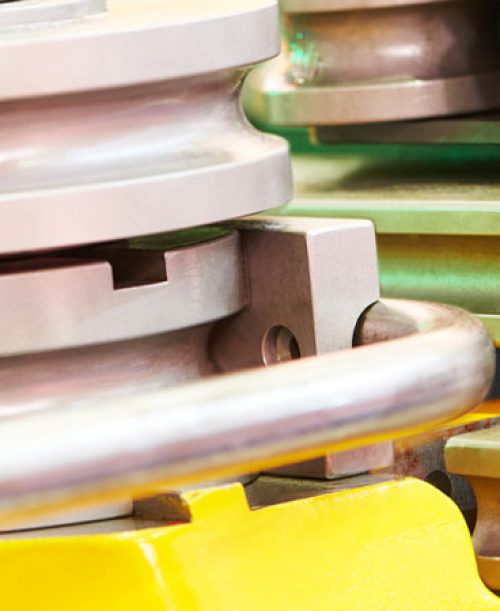
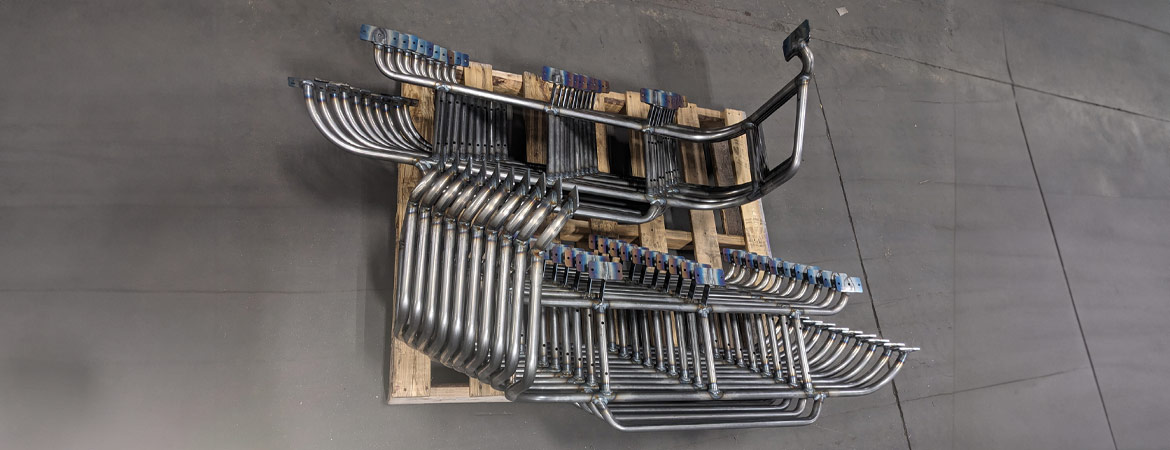
Built-to-print CNC rotary-draw tube bending for repeat-production components and welded tube assemblies manufactured to your drawings.
-
Three CNC double-stack tube benders for repeatable single-plane and multi-plane parts
-
Mandrel bending available where required to control tube profile
-
Existing tooling for numerous round and square sizes, including approximately ¾-inch through 2" nominal pipe
-
Typical tube wall thicknesses up to approximately ¼ inch or 6.35 mm
-
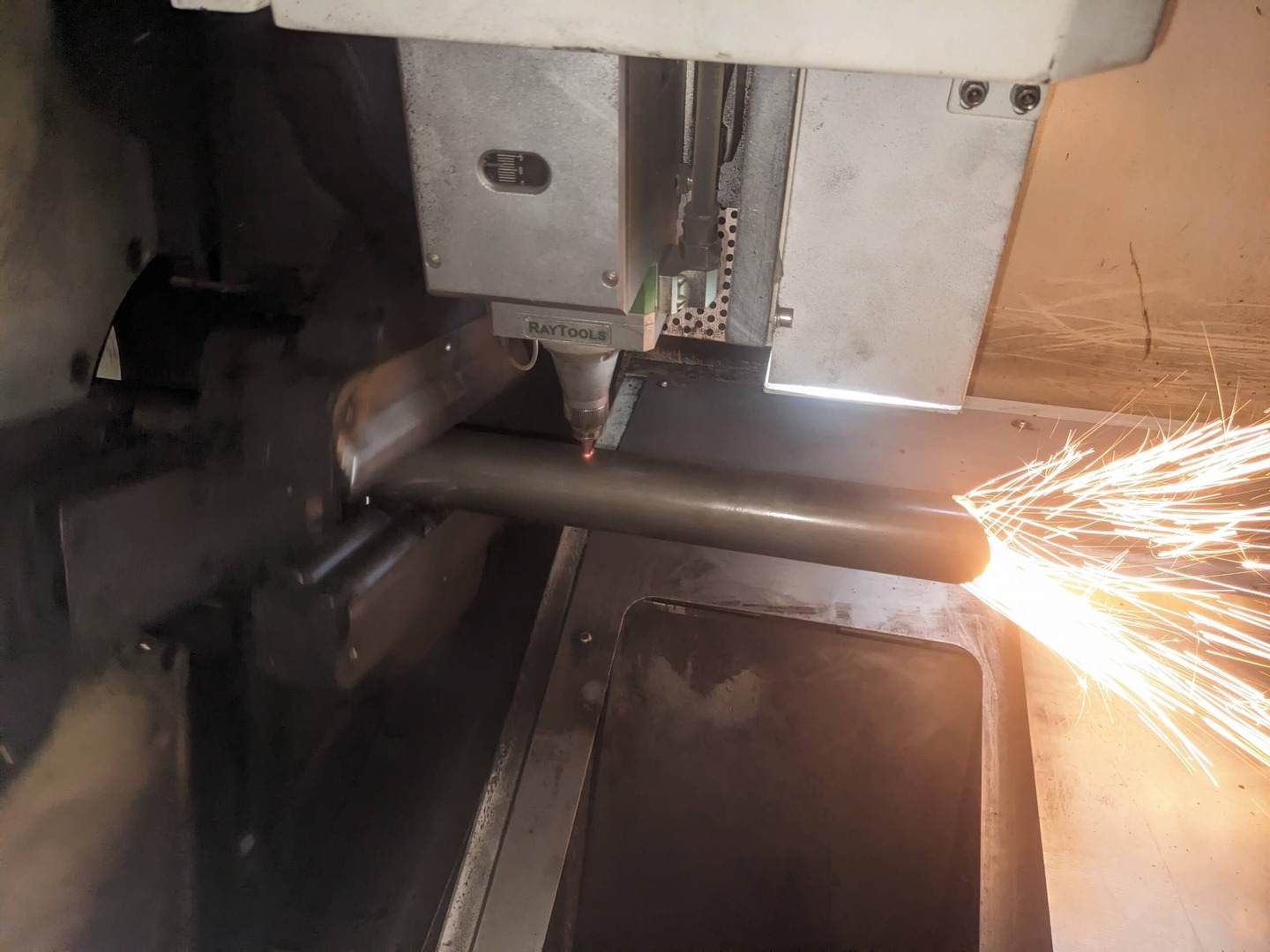
Tube laser cutting, welding, inspection and assembly available
Our CNC Tube Bending Services
Built to Print Tube Bending
Repeat Production Tube Bending
Multi Plane CNC Tube Bending
Round and Square Tube Bending
Existing Tube Bending Tooling
Tube Bending Capabilities and Technical Specifications
Existing Tube Bending Dies and Tooling
Seaborn maintains fixed radius tooling for numerous round and square tube sizes, ranging from approximately ¾″ tube through 2″ nominal pipe (2.375″ OD). The list below identifies Seaborn’s available sizes, their centerline radii, mandrels and wipers where applicable.
Our machines can accommodate tube up to approximately 3″ OD, subject to the part design, material, wall thickness and bend radius. Typical production work uses wall thicknesses up to approximately ¼″. We review your drawings against existing tooling before quoting. When new dies, mandrels or wipers are required, the tooling is quoted as part of the production program.
| Square Tube Die Sets |
|---|
| ¾″ square tube — 65 mm centreline radius |
| ¾″ square tube — 76 mm centreline radius |
| ⅞″ square tube — 1.81″ centreline radius |
| ⅞″ square tube — 67 mm centreline radius |
| 1″ square tube — 1.75″ centreline radius; mandrel for 0.065″ wall |
| 1″ square tube — 2.00″ centreline radius; mandrel for 0.065″ wall |
| 1.75″ square tube — 5.375″ centreline radius; mandrel for 0.083″ wall |
| 2″ (50.8 mm) square tube, 0.083″ (2.11 mm) wall — 5.5″ (139.7 mm) centreline radius |
| Round Tube and Pipe Die Sets |
|---|
| ¾″ diameter tube — 60 mm centreline radius |
| ⅞″ diameter tube — 1.811″ centreline radius |
| ⅞″ diameter tube — 2.2″ centreline radius |
| ⅞″ diameter tube — 5.12" centre line radius |
| 1″ diameter tube — 60 mm centreline radius |
| 1.25″ diameter tube — 70 mm centreline radius; mandrel for 0.065″ wall |
| 1.5″ diameter welded tube — 4.0″ centreline radius; mandrel for 0.065″ wall |
| 1.5″ diameter welded tube — 5.0″ centreline radius; mandrel for 0.065″ wall |
| 1.75″ diameter tube — 2″ centreline radius; mandrel for 0.095″ wall; limited to approximately 20–30° bends |
| 1.75″ diameter tube — 6″ centreline radius; mandrel for 0.095″ wall |
| 1.75″ diameter tube — 8″ centreline radius; mandrel for 0.095″ wall |
| 1.5″ nominal pipe (1.900″ OD) — 3.9″ centreline radius; mandrels for Schedule 10 and Schedule 40 |
| 1.5″ nominal pipe (1.900″ OD) — 5.9″ centreline radius; mandrels for Schedule 10 and Schedule 40 |
| 2″ diameter tube — 5.0″ centreline radius; mandrels for 0.065″ and 0.125″ walls |
| 2″ diameter tube — 6.0″ centreline radius; mandrels and wipers for 0.065″ and 0.125″ walls |
| 2″ nominal pipe (2.375″ OD) — 5.2″ centreline radius; mandrels for Schedule 10 and Schedule 40 |
| 2″ nominal pipe (2.375″ OD) — 7.5″ centreline radius; mandrels for Schedule 10 and Schedule 40 |
| Programmable Radius Tube Bending Tooling |
|---|
| Programmable radius tooling is available for the tube sizes listed below and is intended for large radius CNC bending. As a general starting point, bend radii are approximately eight times the outside diameter for round tube and 10 to 12 times the outside dimension for square tube. Feasibility and repeatability depend on the material, wall thickness, bend angle and complete part geometry. Fixed radius tooling is preferred when closer dimensional control or higher repeatability is required. |
| ¾″ diameter tube |
| ¾″ square tube |
| ⅞″ diameter tube |
| ⅞″ square tube |
| 1″ diameter tube |
| 1.25″ diameter tube |
| 1.5″ diameter tube |
| 1.75″ diameter tube |
| 1.75″ square tube |
| 2″ diameter tube |
Why Choose Seaborn Manufacturing for Tube Bending
-
More than 30 years of production tube bending and tube forming experience
-
Three CNC double-stack tube benders for single-plane and multi-plane components
-
Existing fixed radius and programmable radius tooling for numerous round and square tube sizes
-
Tube laser cut blanks, CNC machining, fixtures and inspection coordinated within one production program
-
CWB-certified manual and robotic welding for bent tube components and fabricated assemblies
-
Part-specific fixtures and inspection methods for recurring OEM production
Tube Bending Materials and Design Considerations
Steel Tube Bending
Carbon steel is the most common material Seaborn bends for production components and fabricated tube assemblies. Material grade, wall thickness, weld seam condition, strength and bend radius all affect bend feasibility and tooling requirements.
We work with common carbon steels and suitable alloy tubing, including 1020 and 4130 where specified on customer drawings. Applications include protective structures, equipment frames, supports and welded tube assemblies. Material grade and condition are reviewed before production.
Stainless Steel Tube Bending
Stainless steel tube is suitable for production components and assemblies requiring corrosion resistance or an uncoated finished surface. The chosen alloy, material condition, wall thickness, weld seam and bend radius must all be considered when selecting the tooling and bending process.
Stainless steel generally produces more springback than carbon steel and may require additional process development. We review the drawing and material specification before confirming the feasibility of bending your parts.
Aluminum Tube Bending
Aluminum tube bending depends heavily on the alloy and temper. The most common combination of aluminum grade and temper, 6061-T6, is highly susceptible to cracking and is generally unsuitable for tube bending.
Seaborn has successfully bent 6061-T1 and commonly uses 6063-T5 where it is available and appropriate for the part. Material availability, wall thickness and bend radius can affect both feasibility and lead time. The specified alloy and temper must be reviewed before quoting production work.
Wall Thickness and Tube Bending
Wall thickness must be considered in relation to the tube diameter, material, centreline radius and bend angle. Thicker walls generally maintain the tube profile more readily, while thinner walls may require mandrels, wipers and additional process development to control wrinkling and flattening.
Seaborn typically bends tube with wall thicknesses up to approximately ¼″, subject to the tube size and part geometry. Drawings should identify the outside diameter or section size, wall thickness, centreline radius, bend angle and any specific requirements for the part. These details are reviewed before tooling and inspection methods can be established.
Square Tube Bending
Square tube presents different forming conditions than round tube. The inside and outside faces tend to move inward during bending, while tighter radii increase the risk of wall collapse, corner distortion or tearing. Some controlled deformation may be necessary to produce a sound bend.
Tube size, wall thickness, material, weld seam location, centerline radius and acceptable profile distortion should be considered during drawing and tooling review. Mandrel support is used where the part geometry requires it.
Tube Bending Services in Ontario, Canada
CNC Tube Bending Kitchener
CNC Tube Bending Waterloo
CNC Tube Bending Toronto
CNC Tube Bending Across Ontario
Integrated Tube Bending and Fabrication
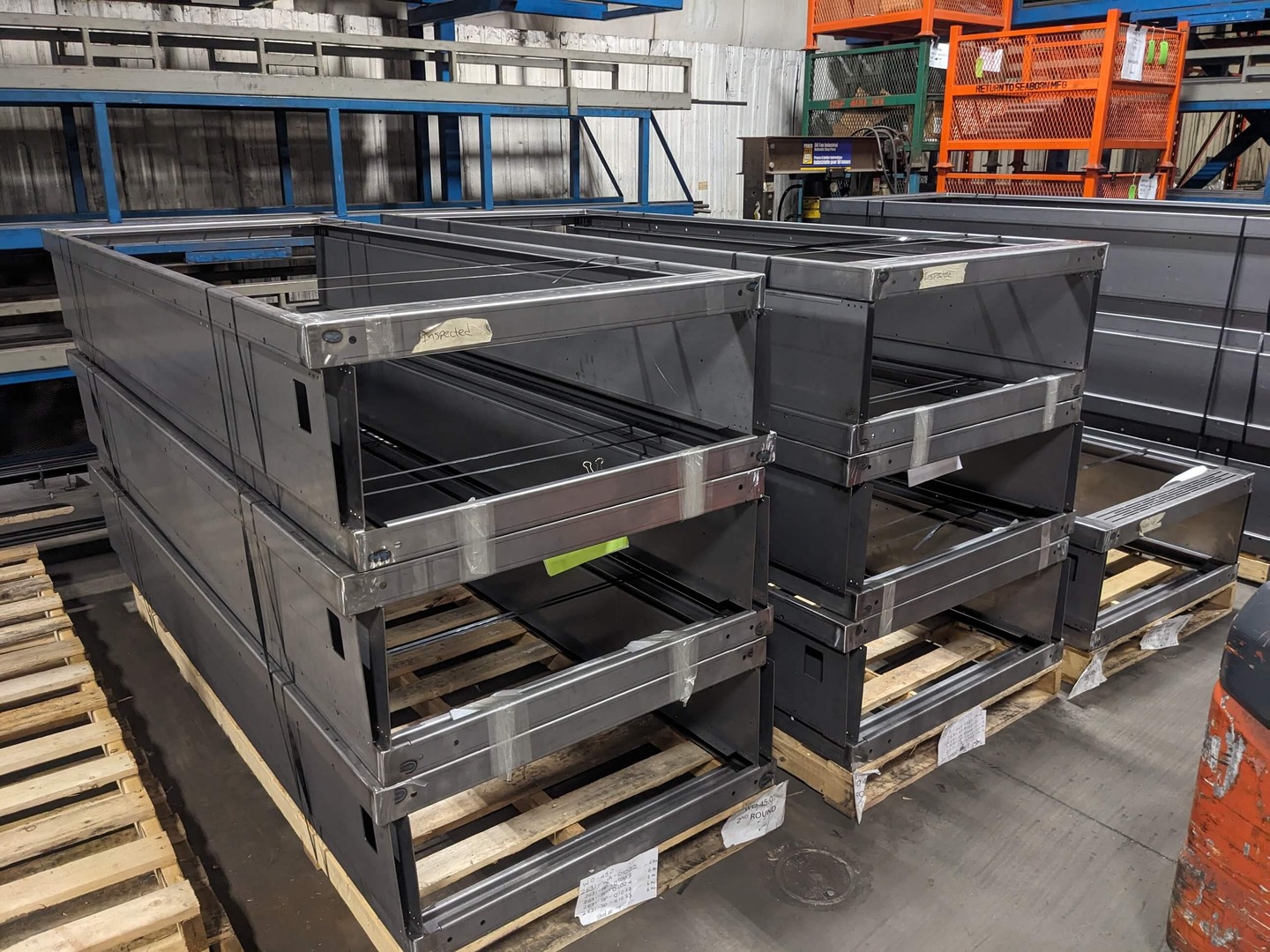
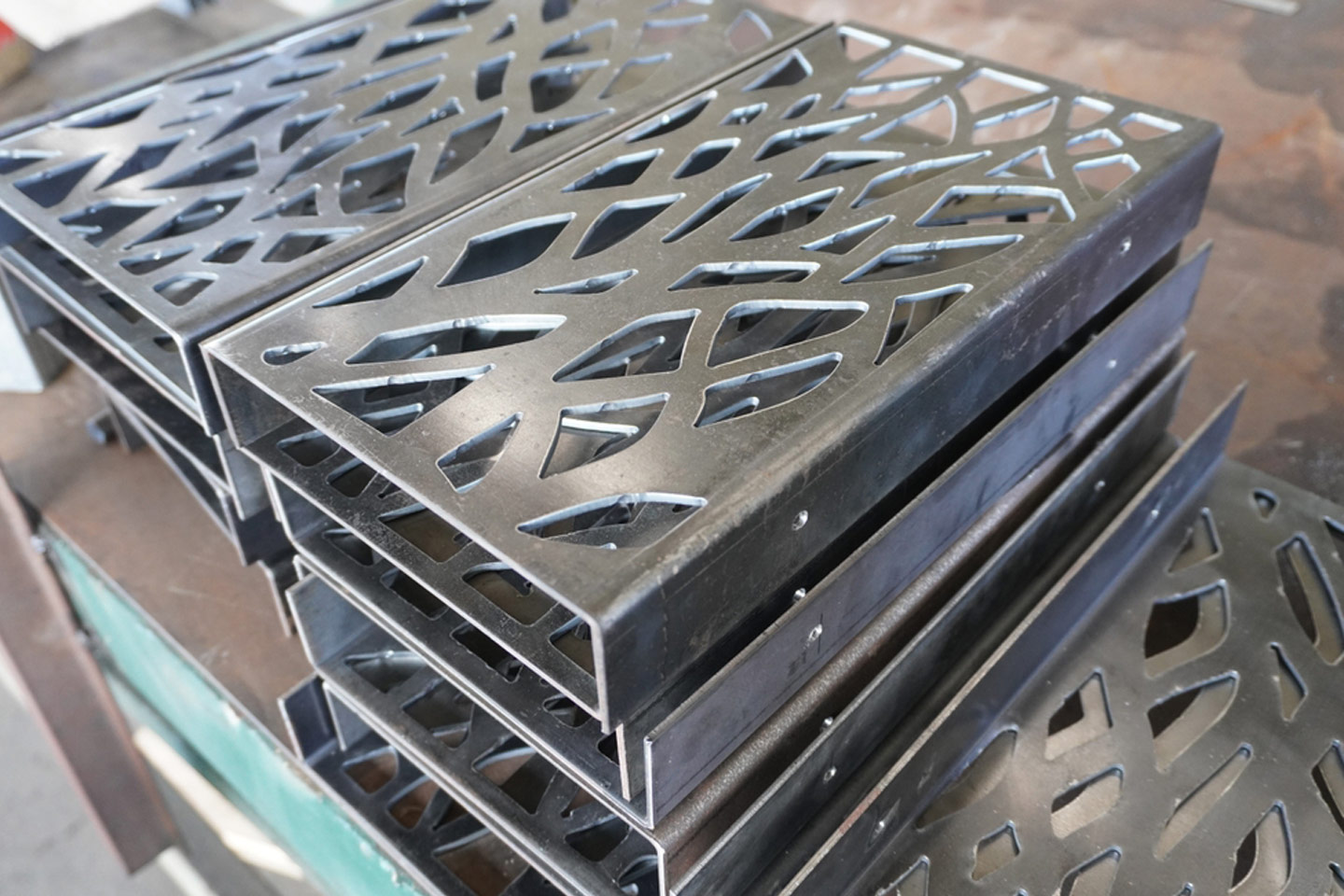
Seaborn supplies bent components and fabricated tube assemblies, not only isolated bends. Tube laser cutting can prepare blanks with holes, slots and end profiles before bending, reducing secondary operations and providing locating features for welding and assembly. Laser cut sheet and plate components, machined details and installed hardware can also be incorporated where required by the drawing.
Seaborn provides manual and robotic welding under its CWB certifications to CSA W47.1 and W47.2. Fixtures developed for the part, inspection and assembly allow bent components to be delivered as completed weldments or production subassemblies manufactured to customer drawings for recurring OEM and industrial equipment production.
Tube Bending Services FAQ
Seaborn provides production tube bending for carbon steel, suitable alloy steels, stainless steel and suitable aluminum grades and tempers. Material grade and condition, tube size, wall thickness, and bend radius are reviewed before feasibility is confirmed.
No. The common aluminum grade and temper combination 6061-T6 is highly susceptible to cracking and is generally unsuitable for tube bending. Seaborn has successfully bent 6061-T1 and commonly bends 6063-T5. Feasibility still depends on the tube size, wall thickness, bend radius and part geometry.
Our existing tooling covers numerous round and square tube sizes, ranging from approximately ¾″ tube through 2″ nominal pipe with a 2.375″ outside diameter. The machines can accommodate tube up to approximately 3″ OD, but sizes outside the existing tooling range require review and may require new tool sets. Submit the drawing and material specification for confirmation.
No. Mandrel requirements depend on the tube size, wall thickness, material, centerline radius, bend angle and permitted profile deformation. Heavier wall tube and larger bend radii can often be formed without full mandrel support, while thinner walls and tighter radii may require a mandrel and wiper to control the tube profile.
Seaborn is set up for repeat production rather than individual bending jobs. Orders commonly range from hundreds of parts per run to higher annual volumes, depending on the component. Development and first-article quantities may be considered when they lead into recurring production. Tooling, setup, material requirements, inspection and order frequency all affect commercial fit.
Yes. Bent tube components can begin as tube laser cut blanks and be combined with sheet and plate components produced by laser cutting, machined details and installed hardware. Seaborn provides manual and robotic welding under its CWB certifications to CSA W47.1 and W47.2, along with fixtures, inspection and assembly for production weldments manufactured to customer drawings.
Cost begins with a review of the drawing against our existing tooling. When suitable tooling is unavailable, required dies, mandrels and wipers are quoted as part of the production program. Material, CNC programming, machine setup, first article development, expected setup scrap, cycle time, inspection and production quantity are then considered. Higher recurring quantities allow tooling and setup costs to be distributed across more parts.
Provide the part drawing, material grade and condition, tube size, wall thickness, centreline radii, bend angles, dimensional tolerances, quantity per order and expected annual volume. A 3D CAD model should also be included where available. For fabricated assemblies, provide the assembly drawing, bill of materials, weld requirements, inspection requirements and any required finishing or installed hardware.