

01
Heavy Metal Welding and Fabrication
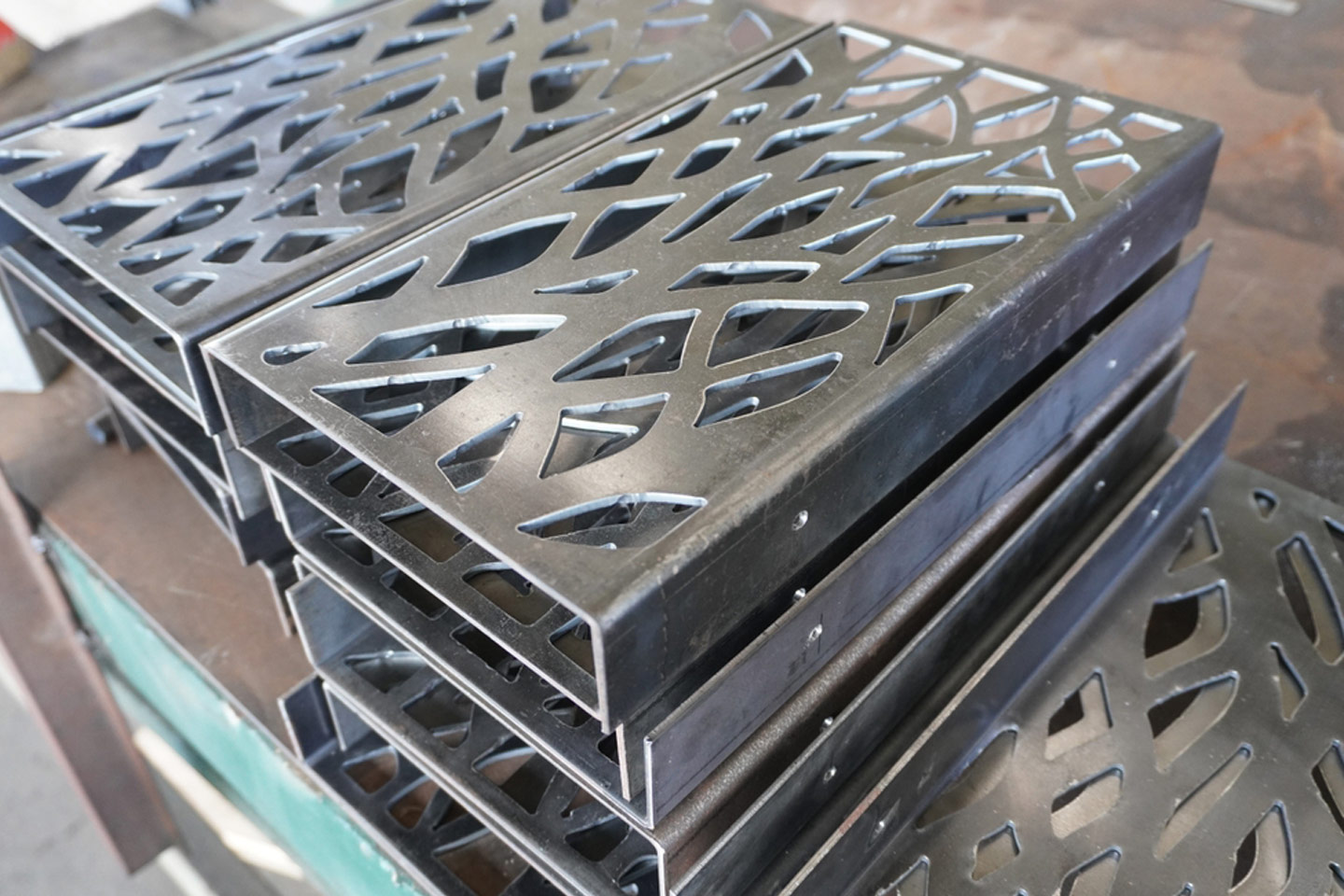
Heavy metal welding and fabrication involves heavier plate, sections, and structural components that require accurate fit-up, controlled welding, and repeatable quality. Seaborn supports MIG/GMAW, TIG/GTAW, robotic welding, and laser welding where suitable, with CWB 47.1 and 47.2 certified welding capabilities.
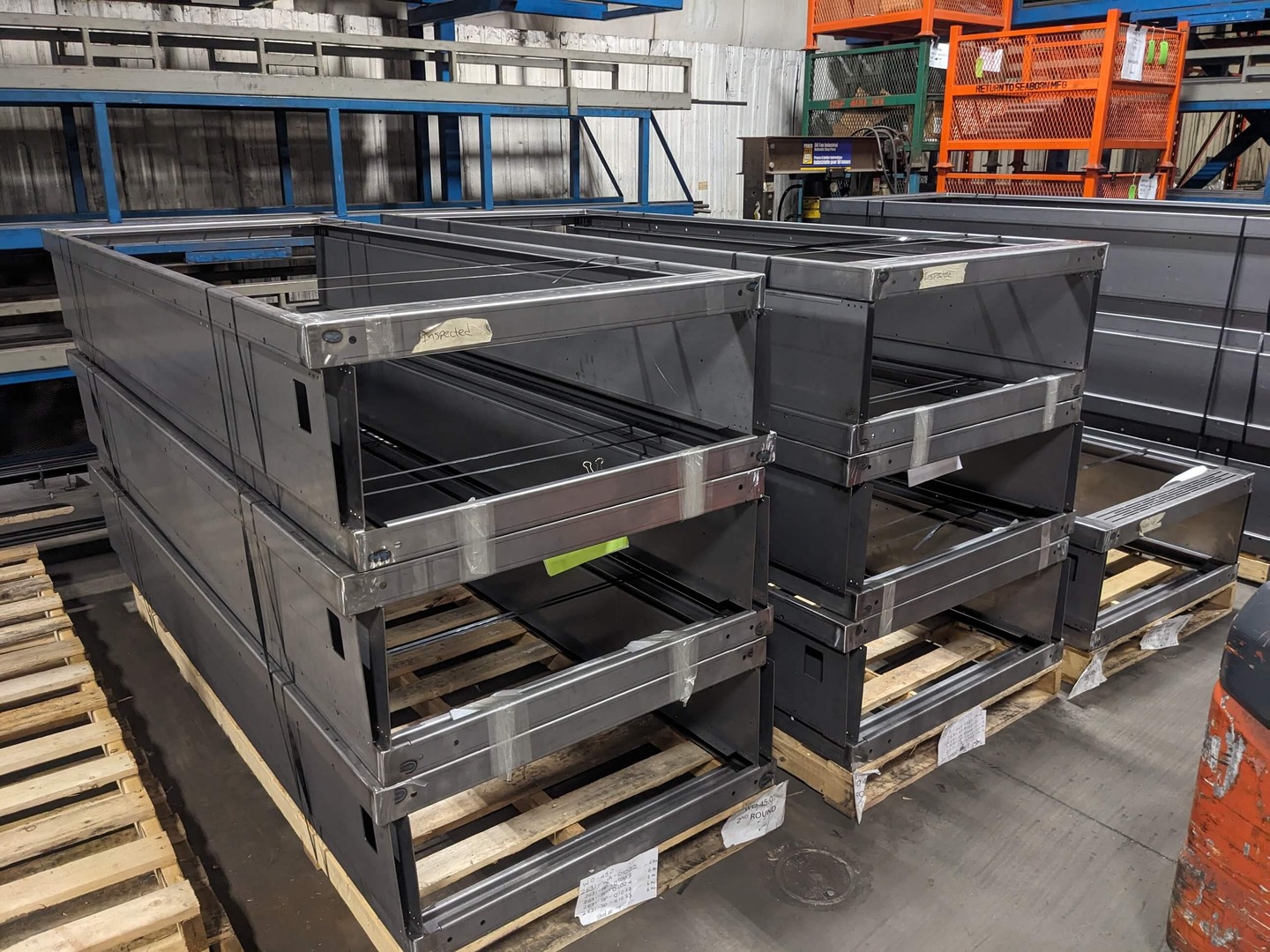
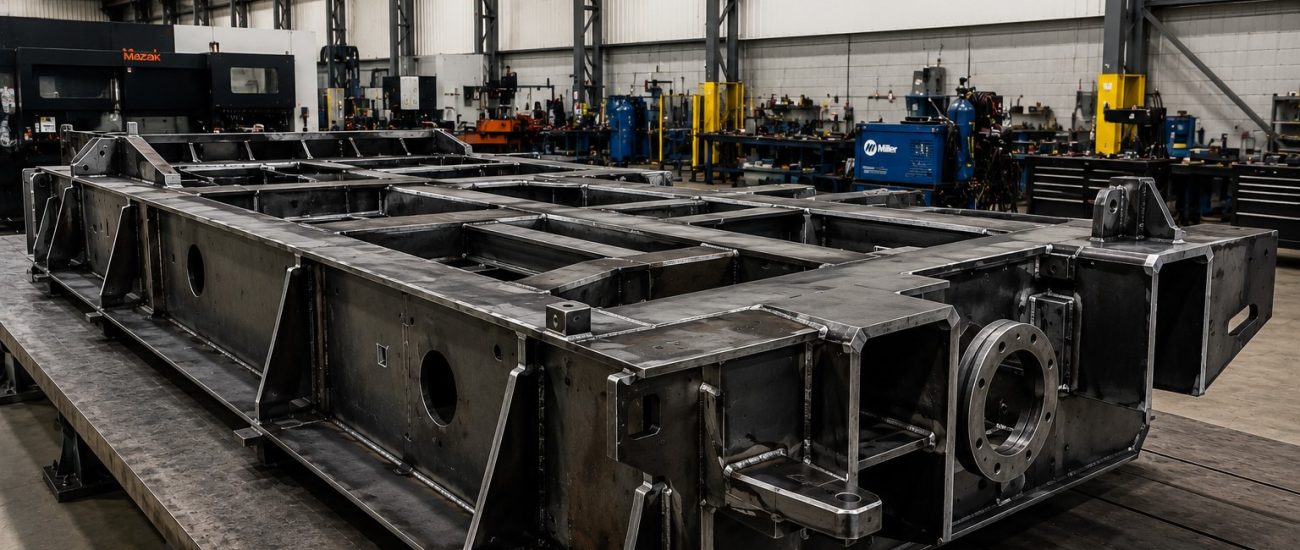
Weldments are built to customer drawings for equipment frames, skids, machine bases, brackets, supports, heavy equipment components, and production assemblies. The integrated process keeps cutting, fitting, welding, machining, inspection, and assembly within one Ontario facility.
02
Heavy Plate Cutting and Welding
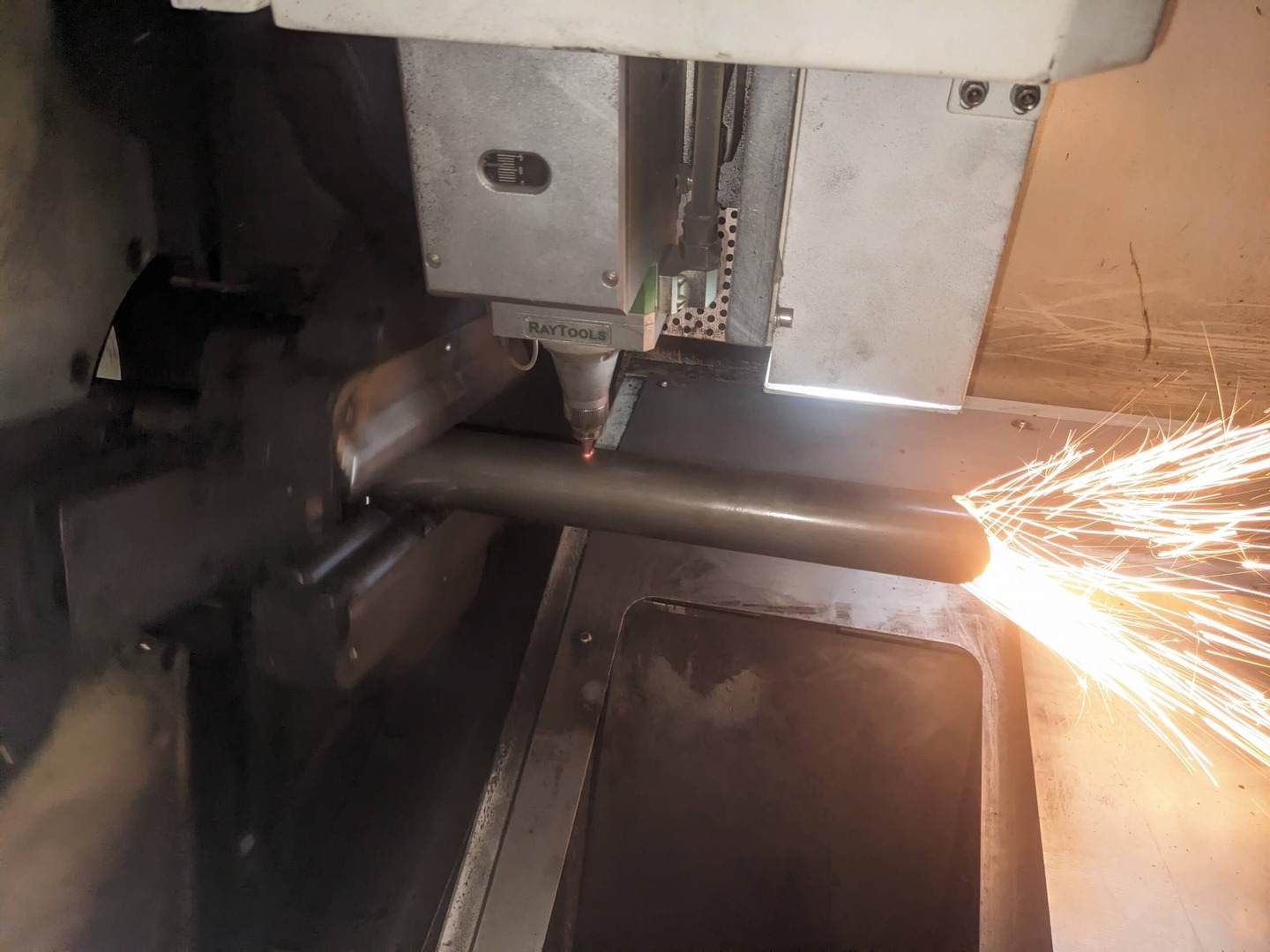
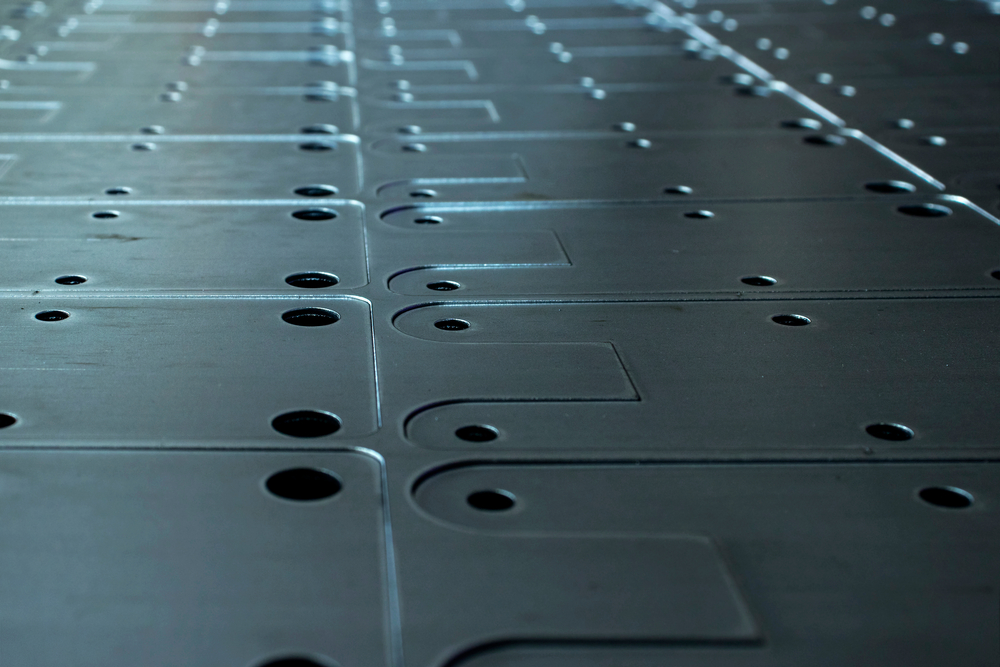
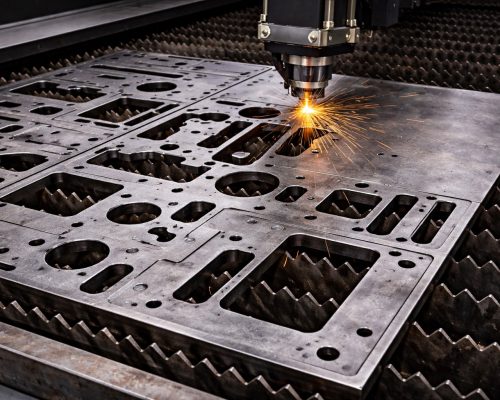
Heavy fabrication starts with accurate material preparation. Seaborn laser cuts carbon steel plate up to 2", stainless steel up to 1", and aluminum up to 1", then supports forming, fitting, welding, machining, and assembly in-house.
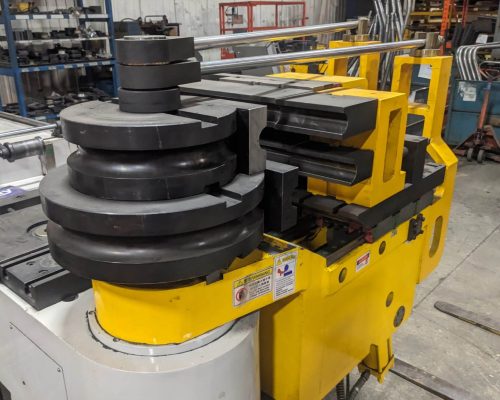
This heavier-than-standard in-house capacity improves fit-up, reduces outside processing, and gives Seaborn better control over quality from cut part to finished weldment. CNC press brake forming can support suitable heavy plate jobs up to approximately 1/2" thick, depending on material, geometry, and bend requirements.
03
Structural and Heavy-Equipment Weldments
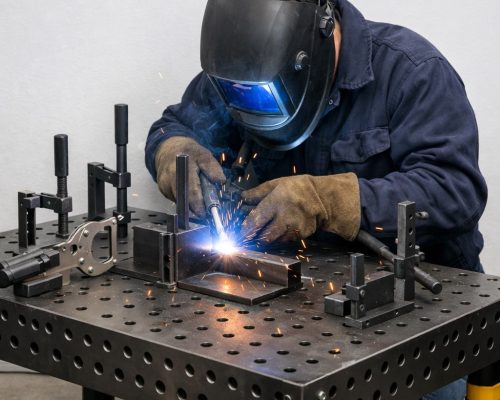
Seaborn manufactures structural and heavy-equipment weldments for industrial applications that require strength, durability, and dimensional control. Typical parts include structural components, base plates, frames, equipment skids, brackets, machine bases, supports, and heavy equipment components.
Assemblies are built to customer drawing requirements and controlled for fit, function, and repeatable production. In-house plate cutting, forming, welding, machining, and inspection help keep the production flow controlled from raw material through finished assembly.

01
Heavy Fabrication Waterloo
Seaborn supports Waterloo manufacturers with heavy fabrication welding for equipment frames, welded assemblies, site skids, machine bases, and production components. Local OEMs benefit from direct communication, short transportation distances, and in-house cutting, forming, welding, machining, and assembly.
This helps engineering and purchasing teams simplify supplier management for industrial fabrication work.

02
Heavy Fabrication Cambridge
Cambridge manufacturers often require welded components for transportation equipment, automation systems, industrial machinery, and structural assemblies. Seaborn supports those requirements with thick plate processing, certified welding, machining, and finished weldments built to drawing.
The result is a practical local option for both individual heavy parts and repeat production assemblies.

03
Heavy Fabrication Kitchener
Seaborn supports Kitchener manufacturers with heavy plate weldments, structural assemblies, machine bases, frames, and repeat production fabrication. In-house cutting, forming, welding, and machining help maintain control from raw plate to finished assembly.
This gives local OEMs a dependable fabrication partner for engineered components and industrial production work.

04
Heavy Fabrication Guelph
Seaborn provides heavy fabrication welding support for Guelph manufacturers, equipment builders, and industrial suppliers. Typical projects include heavy frames, brackets, supports, guards, enclosures, system skids, and welded assemblies.
Engineers and purchasers can coordinate cutting, forming, welding, machining, and assembly through one Ontario fabrication partner.

05
Heavy Fabrication Toronto
For Toronto and GTA manufacturers, Seaborn provides heavy fabrication welding without the complexity of coordinating separate cutting, forming, welding, and machining vendors. The facility supports thick plate parts, structural weldments, production assemblies, and heavy equipment components.
This gives larger manufacturing teams a reliable Ontario source for industrial fabrication work.

06
Heavy Fabrication Hamilton
Hamilton’s industrial and steel-processing sectors often require welded components designed for demanding service conditions. Seaborn supports heavy fabrication welding for structural steel parts, base plates, frames, machinery skids, and industrial equipment components.
CWB-certified welding and in-house plate processing help support strength, repeatability, and project control.

07
Heavy Fabrication London
Manufacturers in London and Southwestern Ontario use Seaborn for fabricated components, structural weldments, machine frames, and production assemblies. Heavy plate cutting, forming, welding, machining, and assembly are coordinated from one Ontario facility.
This supports both project-based fabrication and repeat manufacturing programs.