

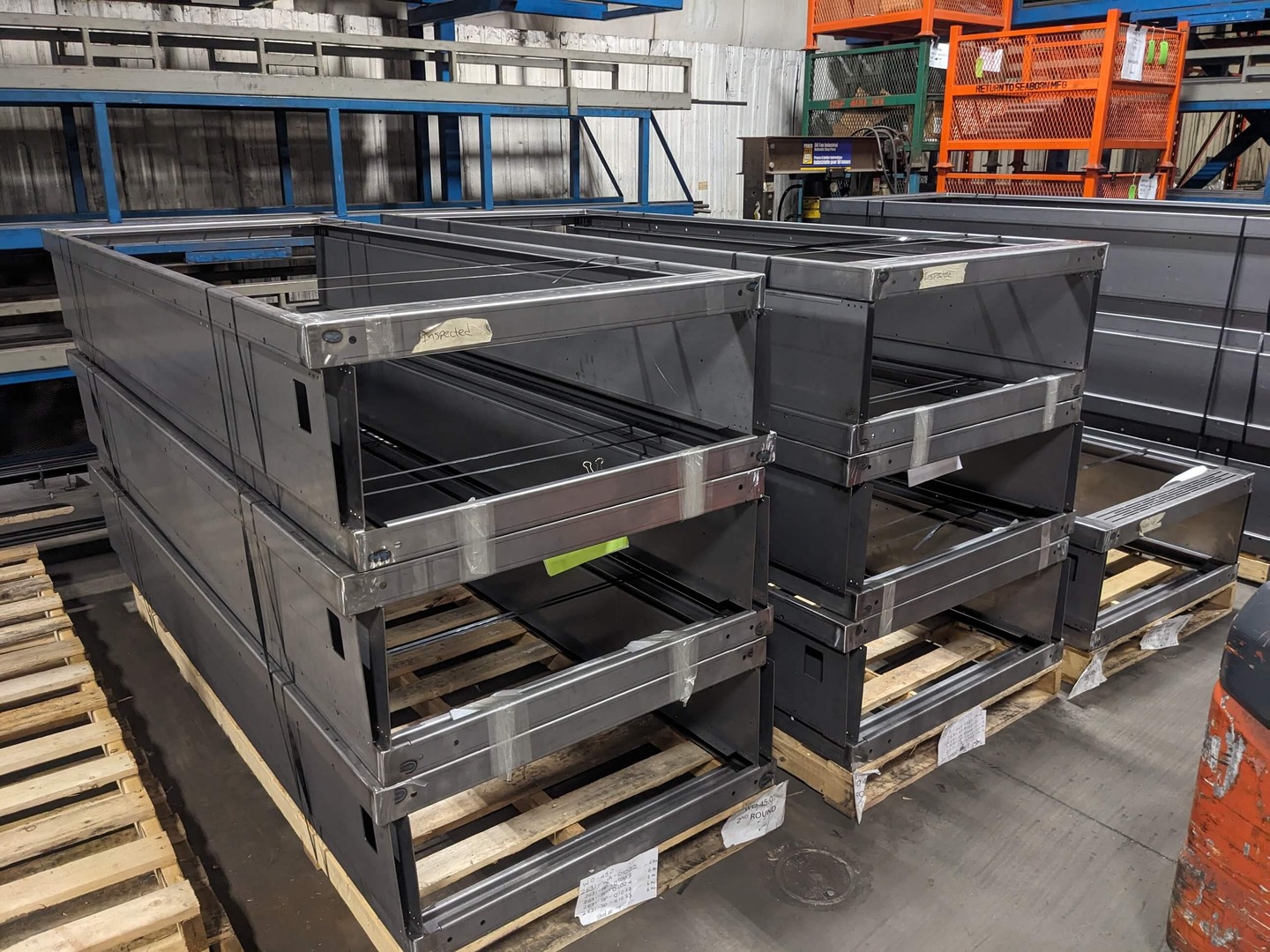
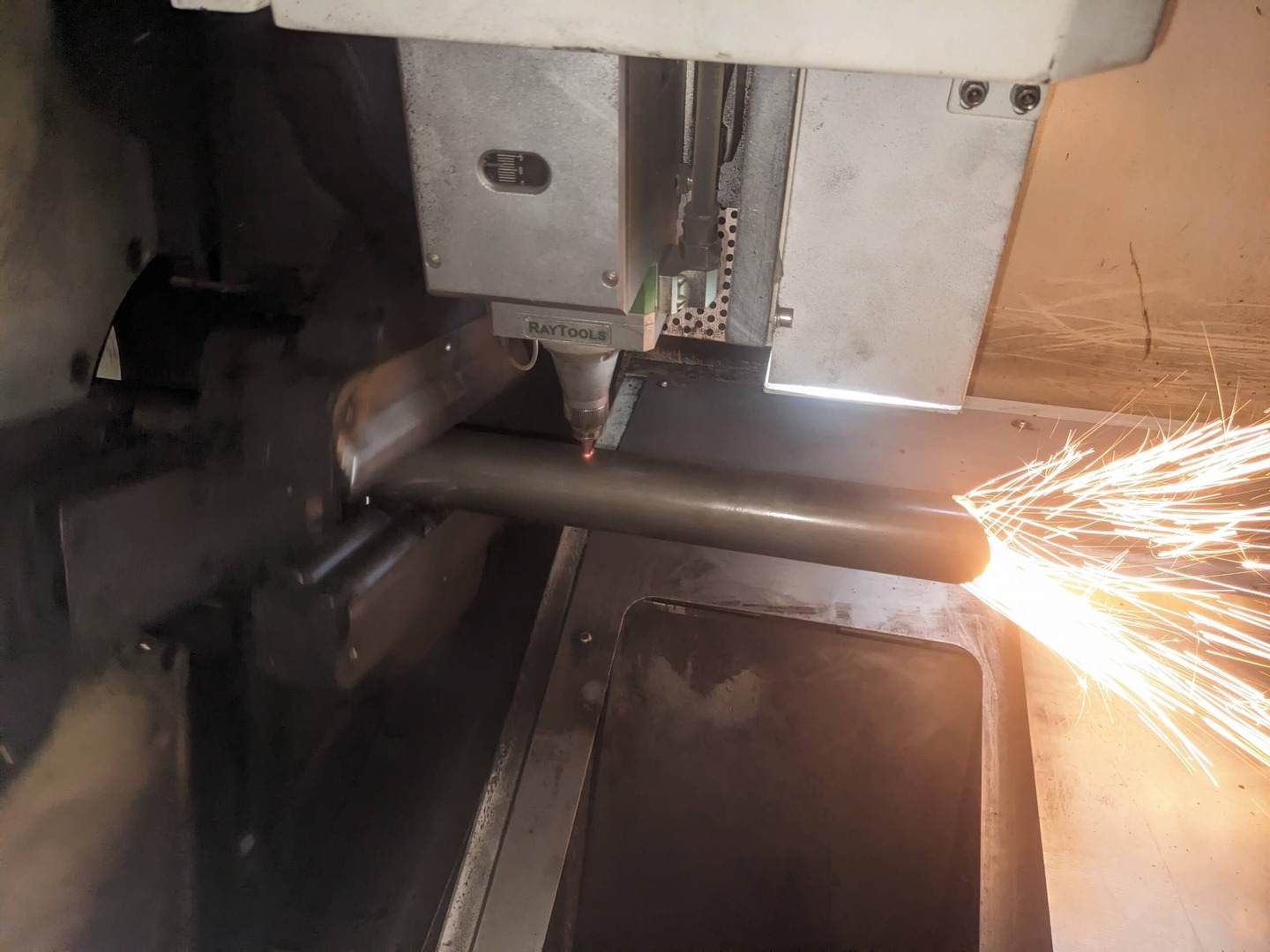
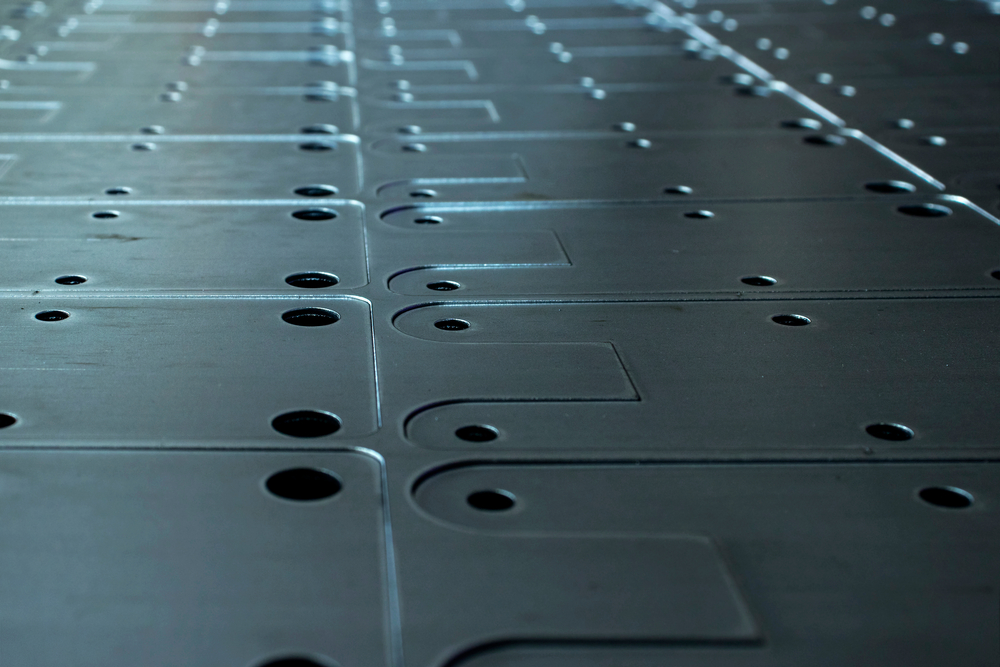
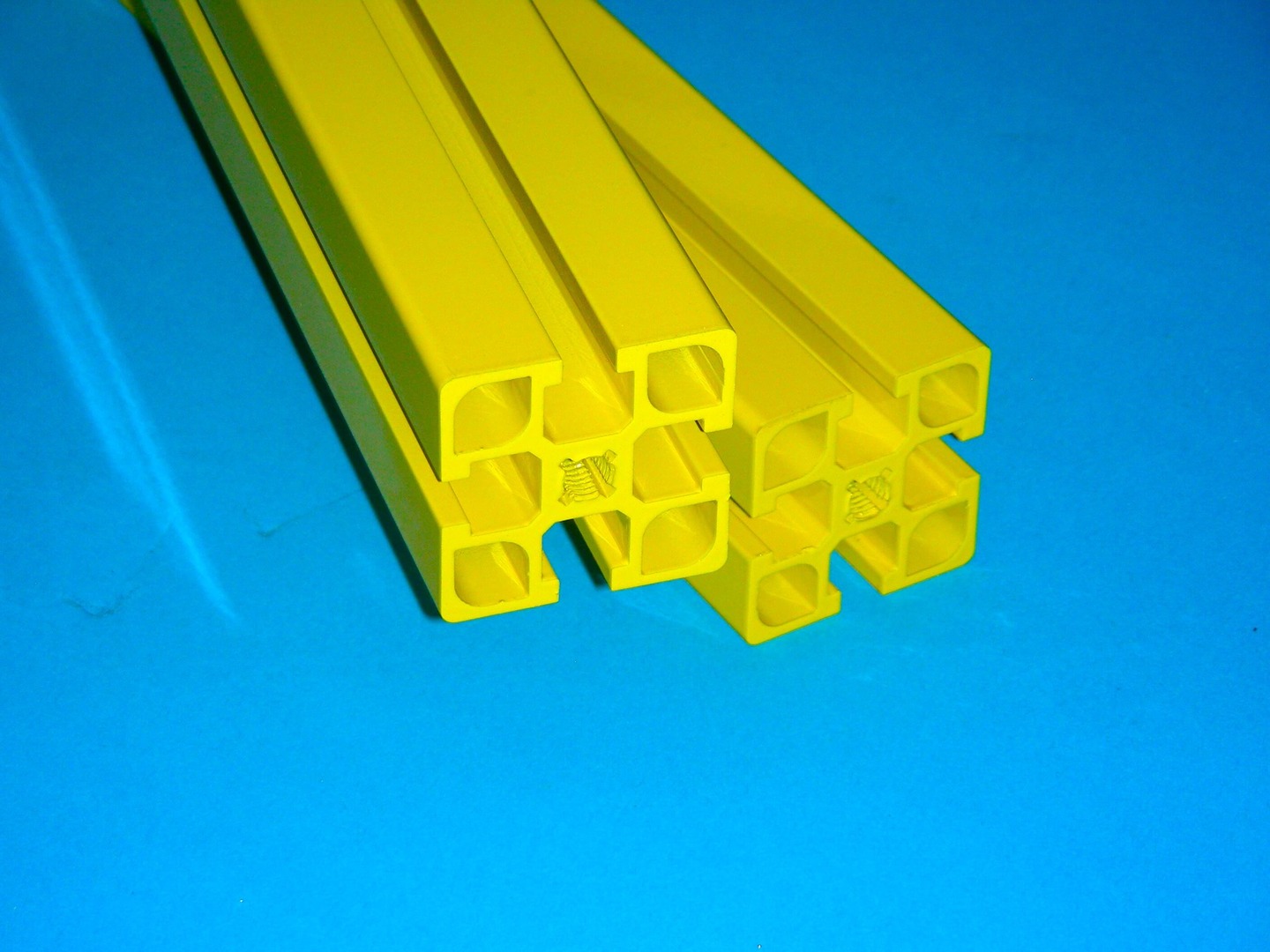
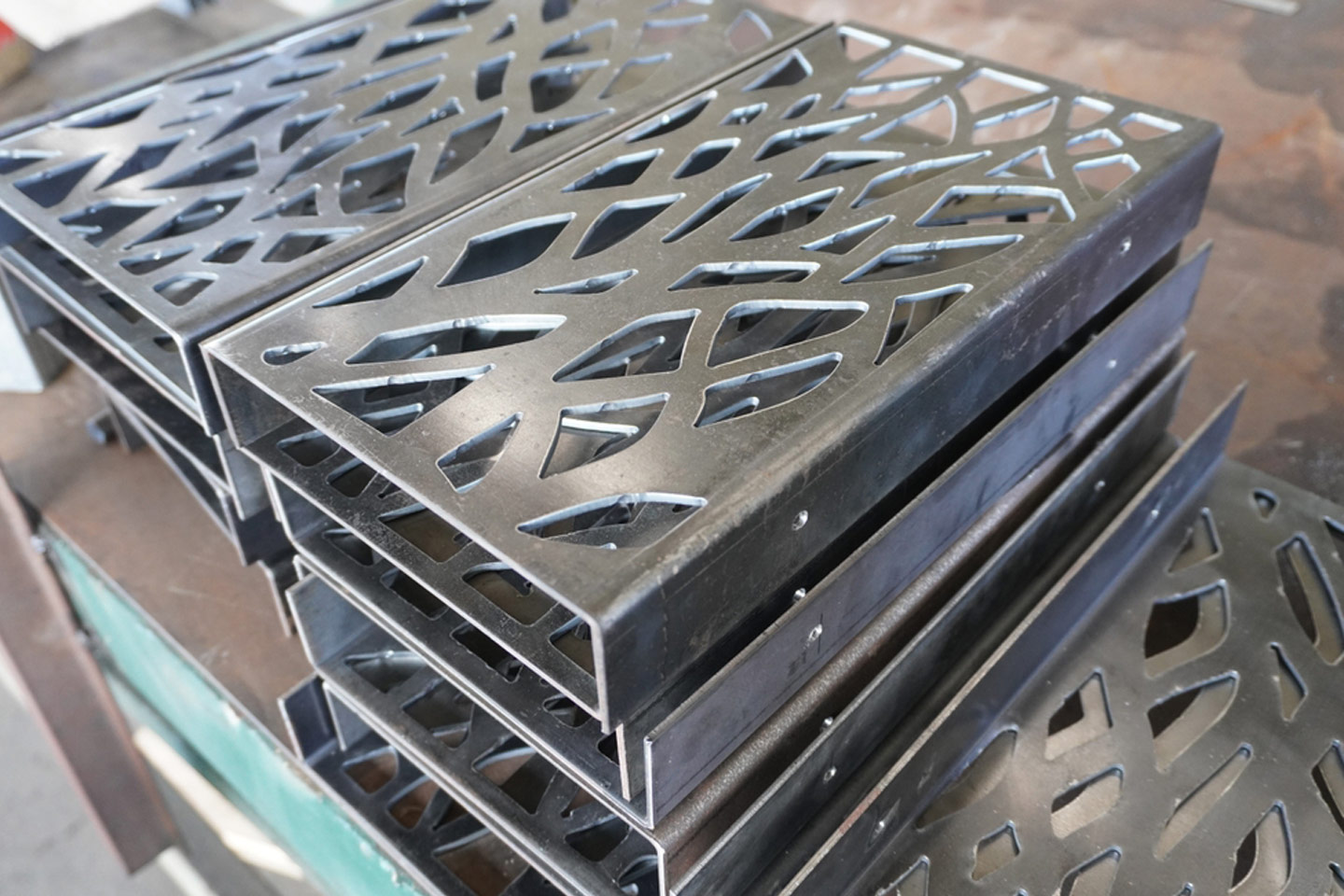

At Seaborn Manufacturing, we’ve seen technology reshape the way welding work is being done. Whether it’s for small brackets or complex welded assemblies, modern tools are changing how shops across Mississauga approach precision, speed, and consistency.
Welding is not so much about a helmet and torch anymore. From weld path design to joint testing, innovation is making its mark. In a busy manufacturing center like Mississauga, those searching for welding Mississauga services expect speed, precision, and modern capabilities. It’s no longer optional for shops to keep up. Below are some of the ways local welding shops are stepping up with smarter, more efficient methods.
Laser welding has become a valuable tool in our workflow. It uses a focused beam of light to create precise welds with minimal heat input, which reduces distortion and speeds up production. This makes it ideal for tight seams, thin-gauge metals, and parts where appearance matters like stainless assemblies, aluminum components, and cosmetic brackets. While it doesn’t replace MIG or TIG for every job, it adds flexibility and quality for certain projects that need clean, accurate joins with less post-processing. At Seaborn, we use it where it makes sense, especially when detail and finish are important.
There has also been a shift in the designing of welding plans. Welding layouts now automatically get built from the CAD process itself. At our firm, we use CAD files early in the process to guide production before welding even begins. We use those plans and make weld sequences and part positions out of them before anything gets on the floor. These drawings help with part layout, assembly fit, and programming robotic or CNC-driven tools. For complex assemblies or tight tolerances, good CAD prep ensures that every step, from fit-up to final weld, goes smoothly.
At Seaborn, robotic welding has also been a major contributor to our operation. It keeps up and gives consistent output for repeated parts, especially in the production of full lots or constructing structural frames. Our crew still monitors every process, programs the machine, and checks every outcome before it moves on. It’s not about replacing welders, it’s about being able to accomplish more with better results. Not everything needs a robot, though. For the smaller volumes or items that need a little extra human touch, we rely on our qualified welders using MIG or TIG techniques. Different metals respond differently to heat and filler, so we set up accordingly.
The tools and equipment around the weld have also been enhanced. Cameras, digital gauges, and inspection tools help us track weld depth, location, and diameter. We also have CMM machines at Seaborn that we use to check the geometry of welded parts before they move to the next step. This helps us not waste time on rework and ensure consistency, especially where pieces need to fit into other assemblies down the line.
Welding Mississauga – Our Approach Modern Technology
What we’ve seen is that technology does have an impact, but only if paired with experience. That’s why we’re investing in both. We don’t just go out and adopt new tools. We use them to strengthen our welding, improve our timing, and simplify customers’ lives. At Seaborn Manufacturing, we’ve integrated many of these improvements into our daily operations. We’ve built our workflow around precision and practicality, using the right technology where it makes the most impact.